
Deep Vein Thrombosis (DVT)
What Is Deep Vein Thrombosis?
At California Vein Institute, we provide careful assessment and management of DVT using advanced imaging and minimally invasive, image-guided techniques when appropriate. Our goal is to help patients understand their condition and explore treatment options in a clear and supportive environment.
What Causes DVT?
DVT develops when blood flow slows down or becomes restricted, increasing the likelihood of clot formation. Several factors may contribute to this process, including:
- Prolonged periods of inactivity (such as long travel or bed rest)
- Recent surgery or injury
- Certain medical conditions affecting blood clotting
- Pregnancy or hormonal changes
- A history of blood clots
- Reduced mobility
- In some cases, DVT can occur without a clear cause, which is why proper evaluation is important.
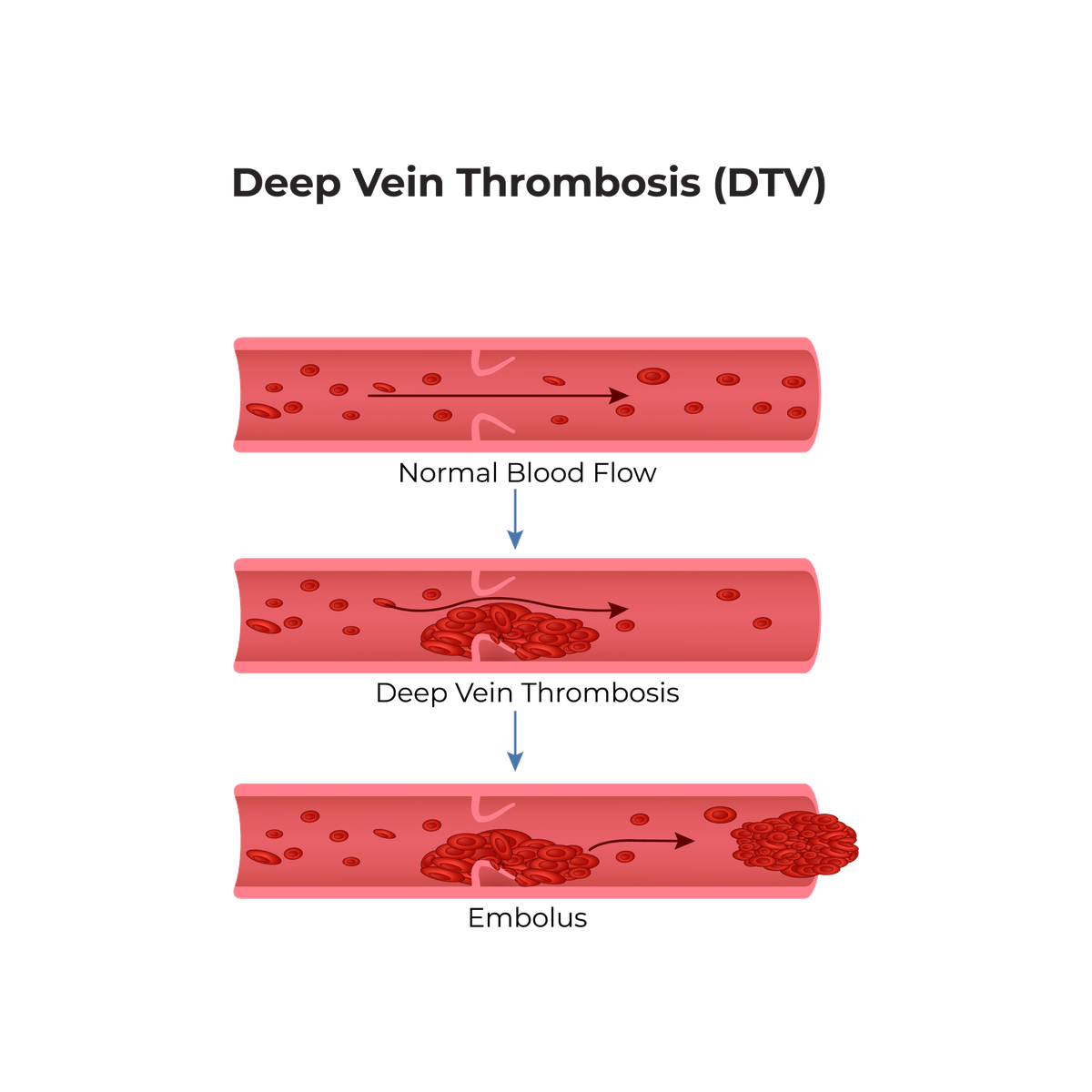
Symptoms of Deep Vein Thrombosis
Symptoms of DVT can vary depending on the size and location of the clot. Some patients may notice clear symptoms, while others may have more subtle signs.
Common symptoms include:
- Swelling in one leg
- Pain or tenderness in the leg
- Warmth in the affected area
- Redness or skin discoloration
- A feeling of tightness or cramping
Because these symptoms can overlap with other conditions, diagnostic imaging is often needed to confirm the presence of a clot.
Why DVT Requires Careful Evaluation
At California Vein Institute, we focus on accurate diagnosis and individualized care planning, helping patients understand their condition and the appropriate next steps.
How Is DVT Diagnosed?
Diagnosing DVT typically involves non-invasive vascular imaging, most commonly a duplex ultrasound, which allows physicians to:
- Visualize blood flow within the veins
- Identify the presence of a clot
- Evaluate the extent of the blockage
This imaging helps guide treatment decisions and ensures care is tailored to each patient’s specific condition.

Treatment Options for DVT
Treatment for deep vein thrombosis is focused on managing the clot, supporting healthy circulation, and reducing the risk of complications.
Depending on the situation, treatment options may include:
- Medication-based management to help prevent clot progression
- Image-guided, minimally invasive procedures in select cases
- Monitoring and follow-up care to assess circulation and recovery
At California Vein Institute, we emphasize personalized treatment planning, ensuring each patient receives care that aligns with their needs and overall health.
If you're experiencing these symptoms, don't wait — early diagnosis is important.
Recovery and Long-Term Vein Health
Our team works closely with patients to provide clear guidance and follow-up care, helping support long-term vascular health.
When to Seek Evaluation
Schedule a Consultation
Contact us today to schedule a consultation and learn more about your options for evaluation and care.